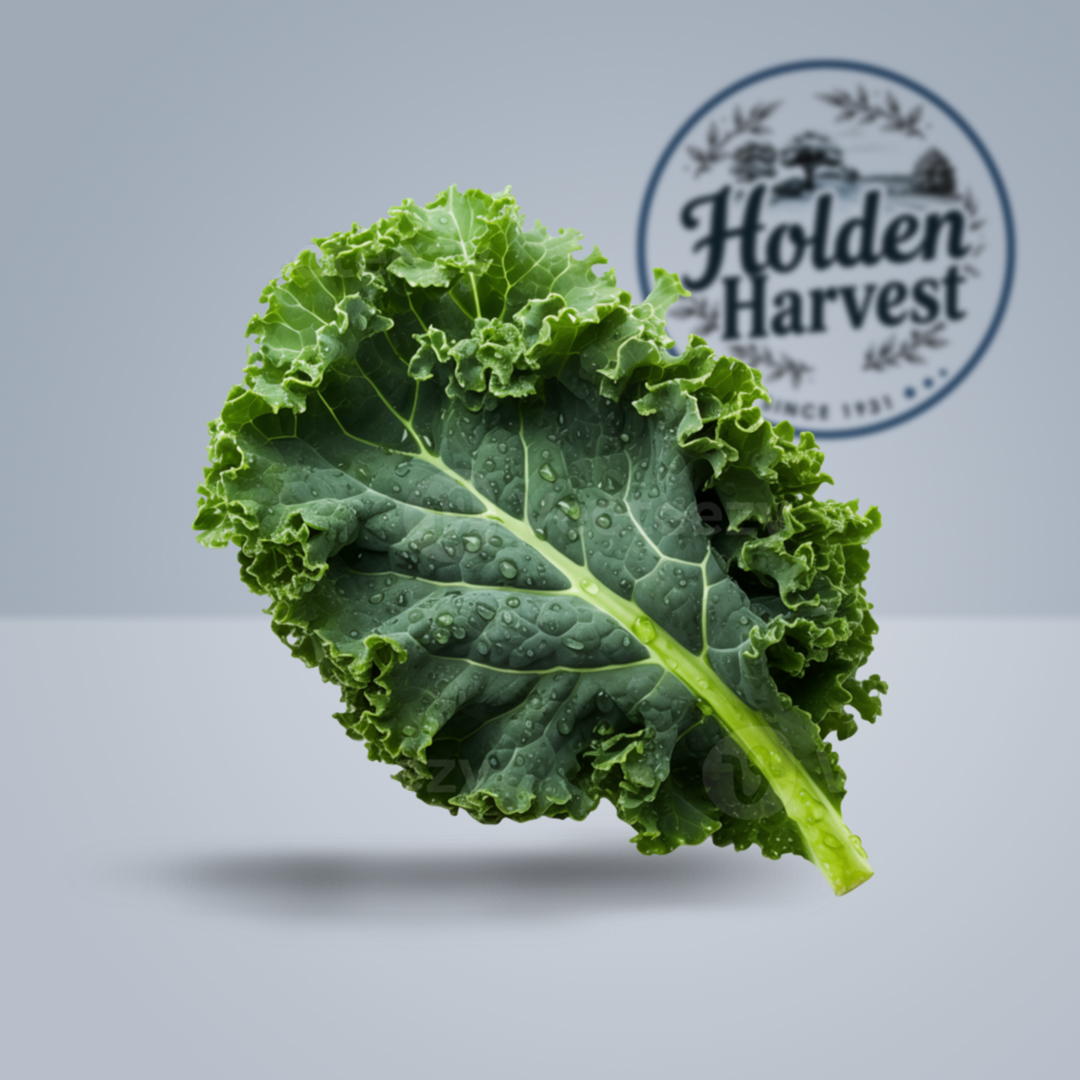
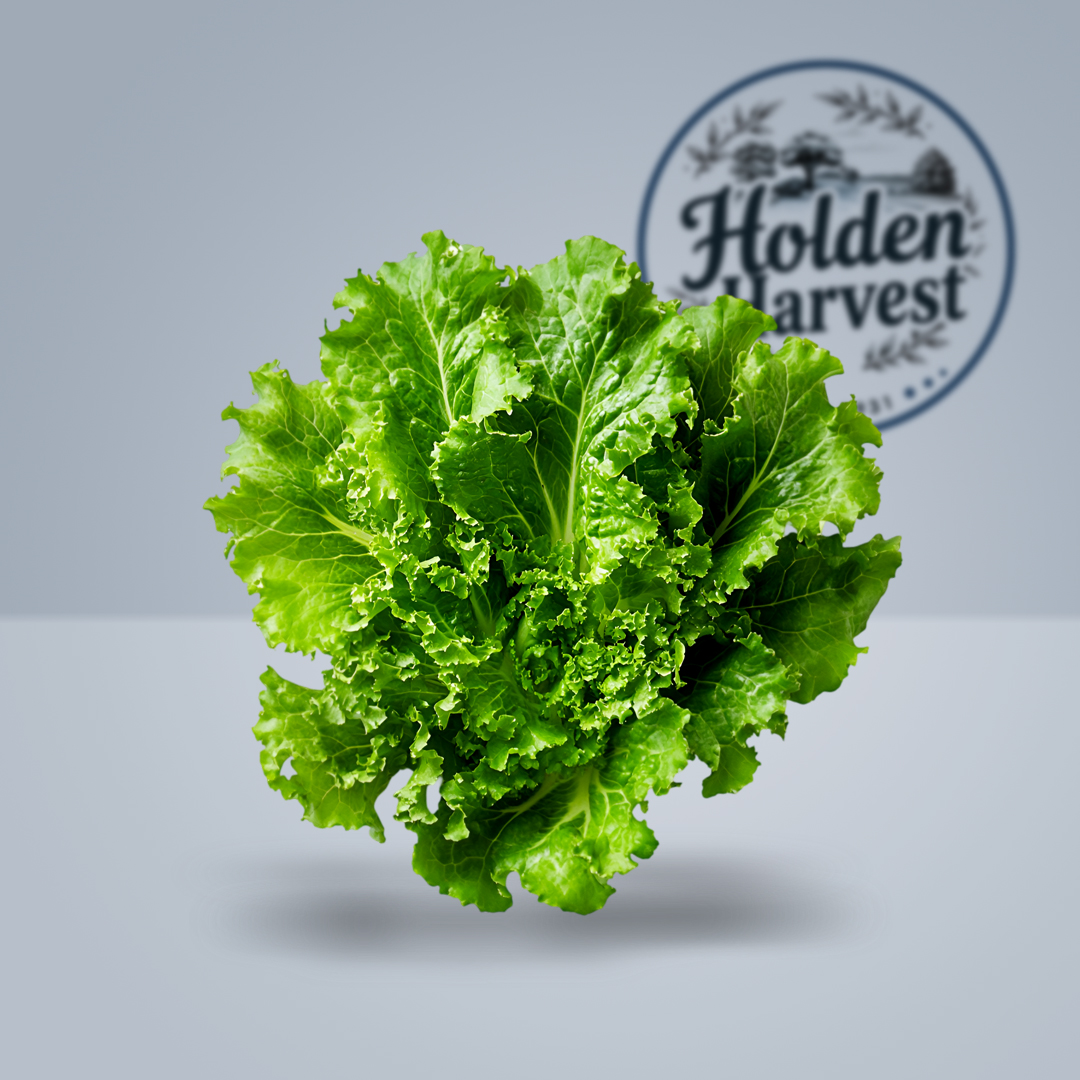
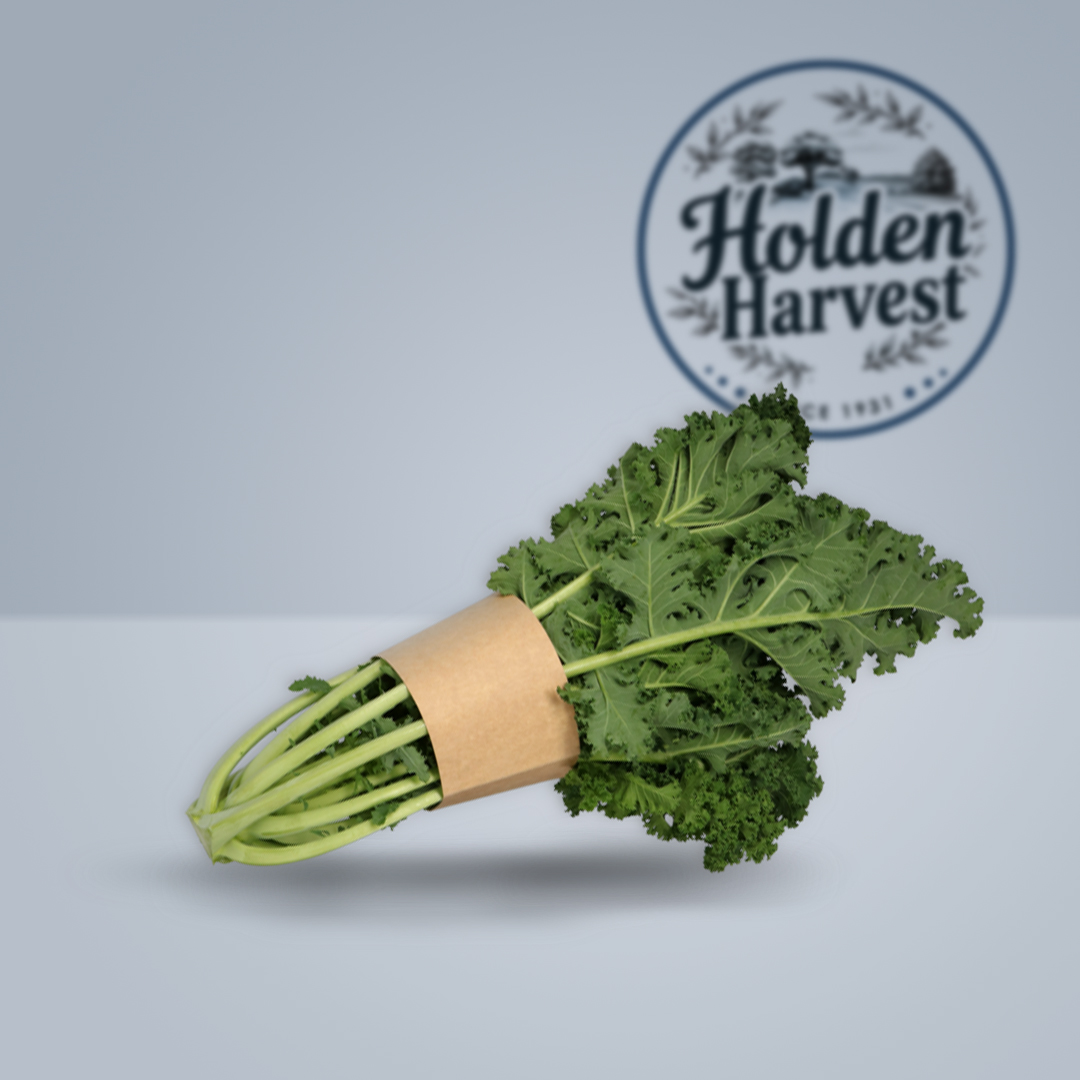
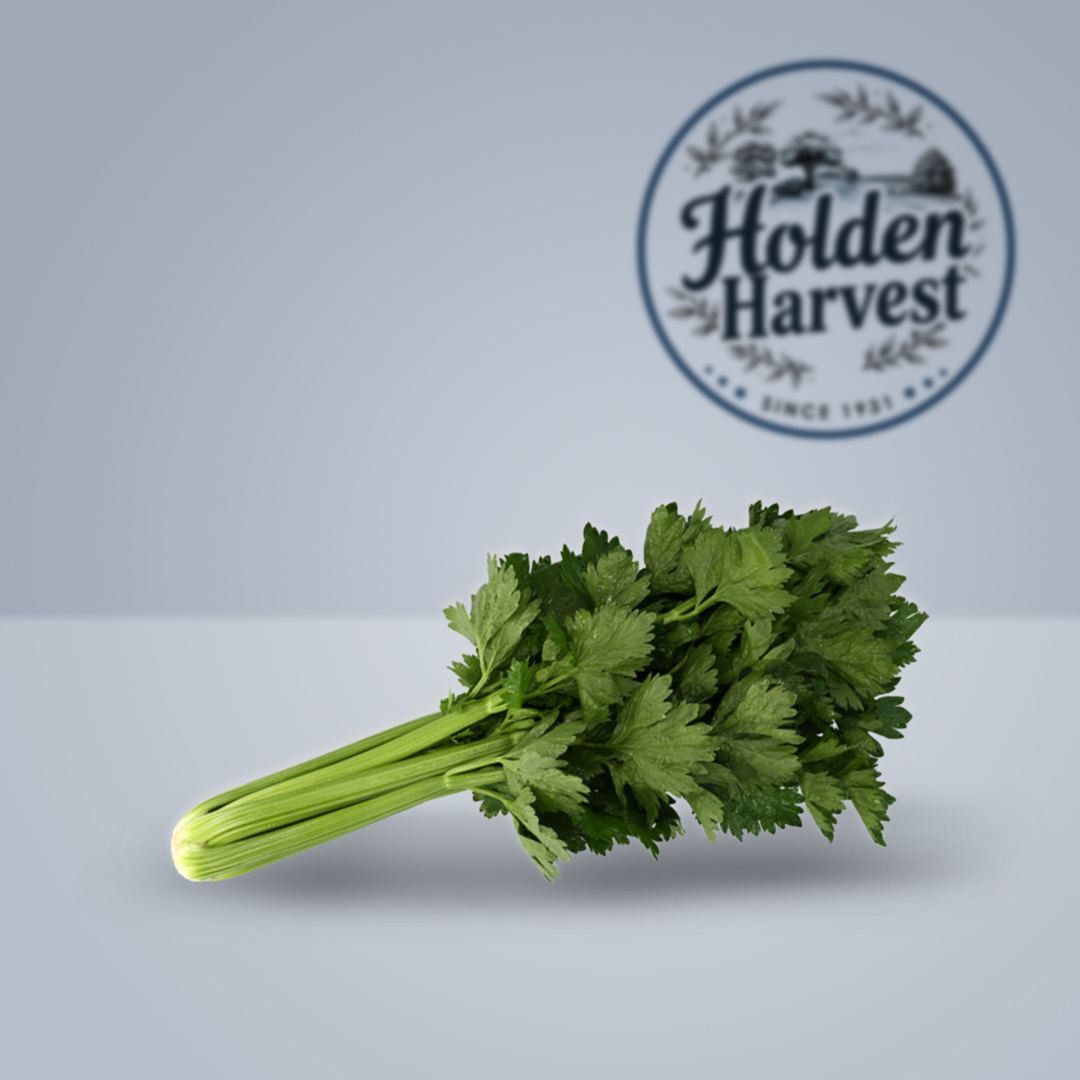
Kale is a nutrient-packed leafy green that is known for its vibrant, curly leaves. It is often considered a superfood due to its impressive nutritional profile and health benefits.
What is Kale?
Kale (Brassica oleracea var. sabellica) is a member of the cabbage family. This leafy green is highly valued for its dense texture and rich flavor. Whether used in salads, smoothies, or as a cooked dish, kale offers a versatile option for a healthy diet.
Health Benefits of Kale
Kale is widely regarded as one of the healthiest vegetables. It provides essential vitamins and minerals that promote overall well-being:
- High in Vitamin K – Supports bone health and blood clotting.
- Rich in Vitamin A – Essential for eye health and immune function.
- Packed with Antioxidants – Helps combat oxidative stress and inflammation.
- Full of Fiber – Aids in digestion and promotes gut health.
How to Enjoy Kale
Kale is incredibly versatile. It can be enjoyed raw, cooked, or blended into smoothies:
- In salads – Its hearty texture pairs well with tangy dressings and crunchy toppings.
- Sautéed or stir-fried – Adds a savory flavor and tender texture.
- In smoothies – Blends well with fruits like bananas and berries for a nutrient boost.
Conclusion
Kale remains a top choice for health-conscious individuals. Its vibrant leaves and powerful nutrients make it a perfect addition to any meal or smoothie. Whether for salads, cooking, or blending, kale delivers both taste and nutrition.
Preserving Kale’s Freshness
Kale is carefully handled during processing to maintain its nutritional value and crispness. With advanced logistics and temperature-controlled transport systems, the kale reaches its destination at the peak of freshness, making it ideal for various culinary uses.